





Troubleshooting Common Garage Door Opener Issues
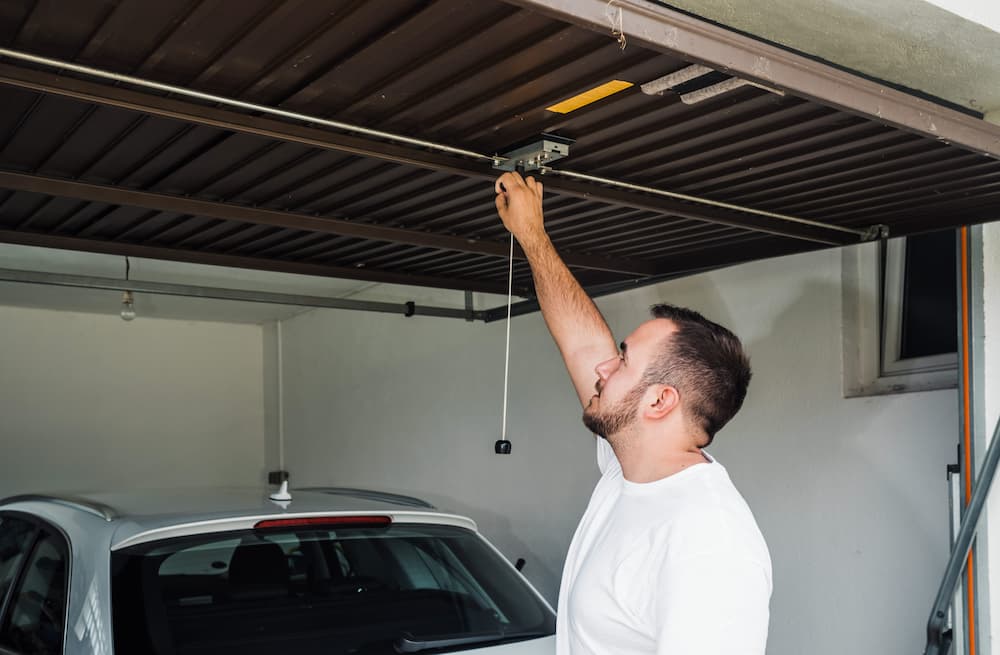
If you’re wondering how to troubleshoot a garage door opener, you’re not alone. These systems are generally dependable, but they can run into issues from time to time. In this guide, you’ll find detailed explanations for common garage door opener issues, clear steps you can take at home, and expert advice on when it’s time to call in a professional. When that time comes, A1 Garage Door Service is here to help with fast, reliable repairs from trusted technicians.
Garage Door Opener Issues and Troubleshooting Guide
Here are the most common garage opener issue scenarios – and what might be going on with your system. Each section includes what it looks like, what may cause it, and whether it’s DIY-friendly or time to call in the experts.
Opener Won’t Work
If your garage door opener isn’t working at all – no sound, no movement – the problem could be as simple as a disconnected power source. Check to make sure the opener is plugged in and that the outlet has power. If the motor unit is humming but not operating the door, the issue could involve the drive system or internal gears.
Sometimes the circuit breaker has tripped or a fuse has blown. Resetting the breaker can restore function, but if not, it’s worth calling in a technician.
Remote Not Responding
When your remote stops working, it’s usually either dead batteries or a connection issue. Try replacing the batteries first, then ensure you’re within range of the opener. If the remote still doesn’t work, it might need to be reprogrammed to the opener – your owner’s manual should walk you through how.
Interference from nearby electronics or radio signals can also impact performance. In rare cases, the remote unit itself may be faulty.
Door Reverses
If your door closes halfway and then immediately reverses, it’s likely a problem with the safety sensors. These sensors are designed to prevent the door from closing on people, pets, or objects. Misalignment, dirt, or a direct obstruction can trigger a false alert and cause the door to reverse.
Make sure the sensor lenses are clean and properly aligned. If the issue persists, the sensors themselves might need replacement.
Sensor Problems
Photo-eye sensors play a critical role in garage door safety. If they’re misaligned or blocked, your opener will think something’s in the way, even when there’s nothing there. A blinking light on the opener or sensor often indicates this issue.
To fix it, wipe off the sensor lenses and adjust their aim until both lights stay solid. If you’ve cleaned and aligned them, but the problem continues, the wiring may be damaged or loose.
Noise Issues
Is your opener making strange sounds like grinding, rattling, or buzzing? These noises often point to loose hardware, worn-out gears, or a lack of lubrication. Chain- or belt-drive openers can also become noisy if their tension is off.
Try tightening the bolts on the opener’s mounting bracket and lubricating the chain or belt. If it’s still noisy, internal parts like the motor or drive gear may be wearing out.
Motor Overheating
If your motor shuts off mid-cycle and won’t restart for a while, overheating could be the issue. This typically happens when the motor is overworked or obstructed. The unit has a built-in thermal shutoff to prevent damage.
Let the motor cool down for at least 15–30 minutes, then try again. If it continues to overheat with normal use, call a pro to check the motor, wiring, and lifting force settings.
Unbalanced Garage Door
If the door feels heavy, slams shut, or doesn’t stay in place when disconnected from the opener, it’s likely unbalanced. This puts extra strain on your opener and can lead to premature wear.
Balance issues usually stem from worn or broken springs. Because springs are under high tension, adjusting or replacing them is definitely a job for the pros.
Broken or Worn-Out Torsion Springs
Torsion springs do most of the heavy lifting. When one breaks, your opener may strain, stall, or fail entirely. You’ll typically hear a loud bang when it happens, and the door may become very difficult to lift.
This is a dangerous repair to attempt yourself. If you suspect a broken spring, stop using the opener and call a technician right away.
Jammed Garage Door Rollers
If your door starts to shake or gets stuck while opening, jammed or damaged rollers may be the cause. Over time, debris and rust can prevent the rollers from gliding smoothly along the track.
You can try cleaning the rollers and applying a silicone-based lubricant. But if they’re cracked, flat-spotted, or completely seized, they need to be replaced.
Chain or Belt Drive Issues
A loose chain or belt can cause jerky motion or loud clanging sounds during operation. If it’s too tight, it might wear out the drive system. You’ll also want to watch for fraying, sagging, or misalignment.
Tension adjustments are sometimes outlined in the manual, but proceed carefully. If in doubt, it’s best to have a professional inspect it.
Incorrect Limit Settings
Your opener’s limit settings tell it how far to open and close the door. If these are set too high or too low, the door may stop short or reopen right after closing. You might also notice the door hitting the floor too hard or not sealing properly.
Most openers allow for simple limit adjustments via dials or screws on the motor unit. Just make sure to test the door’s full range after tweaking the settings.
Disconnect Switch Activated
Most openers have a manual release cord (usually red) that disengages the door from the opener. If this has been pulled, your door won’t move when the opener runs.
Check to see if the carriage is disconnected from the opener trolley. If it is, re-engage it by manually sliding it into place until it clicks.
Faulty Wiring
Wiring issues can cause everything from unresponsive remotes to flickering lights or sensor failure. Mice, moisture, or wear and tear can damage the opener’s low-voltage wiring.
If you suspect wiring problems, especially exposed or frayed wires, it’s best to stop using the opener and call in a licensed technician. Electrical issues aren’t worth risking a DIY fix.
Manual Lock Engaged
Some garage doors have a manual locking mechanism that can prevent the opener from operating the door. This is usually a sliding bolt or handle inside the garage.
Check the interior of the door to make sure it hasn’t been locked manually. If it has, simply disengage the lock and try the opener again.
Remote Needs Reprogramming
If your remote has stopped working, but you’ve already changed the batteries, it may have lost its connection to the opener. This can happen after power outages or electrical surges.
Most remotes have a learn button you can press on the opener unit to resync. Check your opener’s manual for specific steps based on the model.
Opener Runs, But Door Doesn’t Move
If you hear the motor running but the door stays put, the opener may be disconnected, or the drive gear could be broken. The trolley may also be stuck or worn out.
Try reconnecting the opener to the door by engaging the release mechanism. If the problem continues, you’ll likely need professional help to replace worn internal components.
DIY Fixes for Garage Door Opener Problems
Here are quick fixes you can try safely at home:
- Replace the batteries in your remote.
- Clean and realign photo-eye sensors.
- Lubricate the rail, rollers, and hinges with silicone spray.
- Reset the limit settings using the opener’s manual.
- Push the emergency release to test manual door movement.
- Reprogram the remote if it shows blinking lights or inconsistent operation.
If none of these solve your issue, or if the symptoms return repeatedly, it might be time to let professionals diagnose and repair the problem.
FAQs: How to Troubleshoot a Garage Door Opener
What causes sudden opener failure?
Sudden failure is often caused by a power issue, dead batteries, or a bad remote. If it’s internal, activating the opener manually can confirm internal motor or circuit failure.
Why won’t my garage door open even though I pressed the remote?
If power’s working and the remote is synced, the problem may be mechanical, like a worn belt, stripped gear, or disengaged trolley.
Can I fix a malfunctioning garage door myself?
Simple fixes work for many cases, but tasks like adjusting garage door springs or realigning tracks are better left to experts.
When should I replace rather than repair?
If your opener is more than 10 years old or the cost of parts exceeds half the price of a new model, replacement is often the smarter option.
What should I do if my sensors blink or stop working?
Wipe them clean, realign them, and check for damaged wiring. Persistent issues often require sensor replacement.
Need Professional Opener Repairs? Call A1 Garage Door Service Today!
Still stuck after trying to troubleshoot garage door opener issues? A1 Garage Door Service is here to help. Our team can diagnose and resolve everything from remote problems to motor failure quickly and securely. Whether you’re dealing with a malfunctioning garage door, sensor issues, or need full garage door opener service, we have you covered.
From transparent pricing to safe, on-time service, contact A1 today for trusted same-day garage door repairs you can count on.
Image Credit: GagoDesign / Shutterstock