




Best Renovations To Do Before Selling To Increase Home Value in 2025

Selling a home is a major financial decision, and making strategic renovations before listing can have a positive impact on its market value – but when it comes to return on investment (ROI), not all projects are the same.
Some renovations can dramatically boost your home’s appeal and selling price, while others may not provide the return on investment you expect. Understanding what renovations increase home value the most can help you prioritize improvements that attract buyers and maximize your profit.
This guide will walk you through the best renovations to do before selling, exploring which projects offer the highest return on investment and how to avoid costly upgrades that won’t pay off. From kitchen remodels and bathroom updates to curb appeal enhancements and smart home technology, we’ll cover everything you need to know to make informed renovation decisions.
Whether you’re preparing to sell in a competitive market or simply want to increase your home’s worth, this is everything you need to know to make sure that your efforts lead to a higher selling price and a faster sale.
Different Types of Home Renovations with High ROI
When planning renovations, focusing on projects that provide the best return on investment (ROI) is an important part of the decision-making process.
So, what home improvements have the best ROI (return on investment)? According to a basic cost vs. value report, some renovations offer significantly higher returns than others. Here are some of the renovation types that can boost your home’s value:
- Kitchen Remodels: Updating cabinets, countertops, and appliances not only enhances the functionality of a home but also makes it more appealing to buyers. A well-designed kitchen can serve as a focal point and significantly improve resale value.
- Bathroom Upgrades: Modernizing a bathroom with new fixtures, improved lighting, and stylish vanities makes the space more inviting. Buyers prioritize updated bathrooms, so these projects are usually a smart investment.
- Energy-Efficient Improvements: Adding solar panels, installing high-efficiency windows, or upgrading insulation can reduce energy costs and make a home more desirable to eco-conscious buyers. These updates also qualify for various tax credits and rebates.
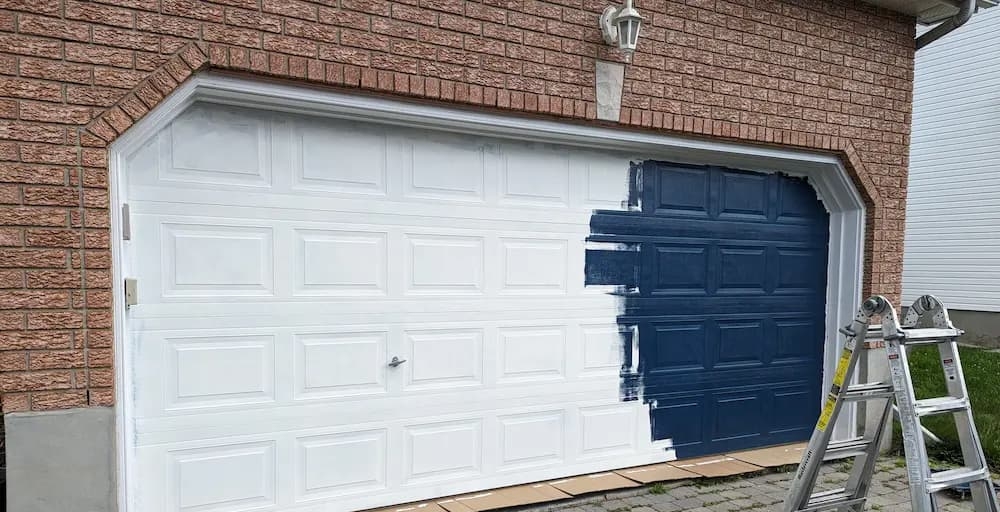
- Curb Appeal Enhancements: There’s no question that the first impression matters. Fresh exterior paint, landscaping, a new front door, or a well-maintained lawn can dramatically improve a home’s attractiveness and perceived value.
- Basement & Attic Conversions: Converting an unfinished basement or attic into a livable space, such as a home office or guest room, increases the usable square footage of a home, adding significant value.
- Adding a Deck or Patio: Outdoor living spaces are highly desirable for homebuyers. A well-designed deck or patio extends the usable space of a home and creates a comfortable area for entertainment.
- Smart Home Upgrades: Installing smart thermostats, security cameras, or automated lighting improves convenience and energy efficiency. Modern buyers are increasingly drawn to homes with smart technology features.
Knowing these basics can help homeowners aim for the best ROI home remodeling projects while making their homes more marketable.
Top-Ranked & Best Home Renovations to Do Before Selling in 2025
Not all home renovations offer the same return on investment (ROI). Some projects significantly increase resale value, making them ideal for homeowners looking to sell in 2025. Let’s break down some of the best renovation projects that can help maximize your home’s worth and attract potential buyers.

1. Garage Door Replacement
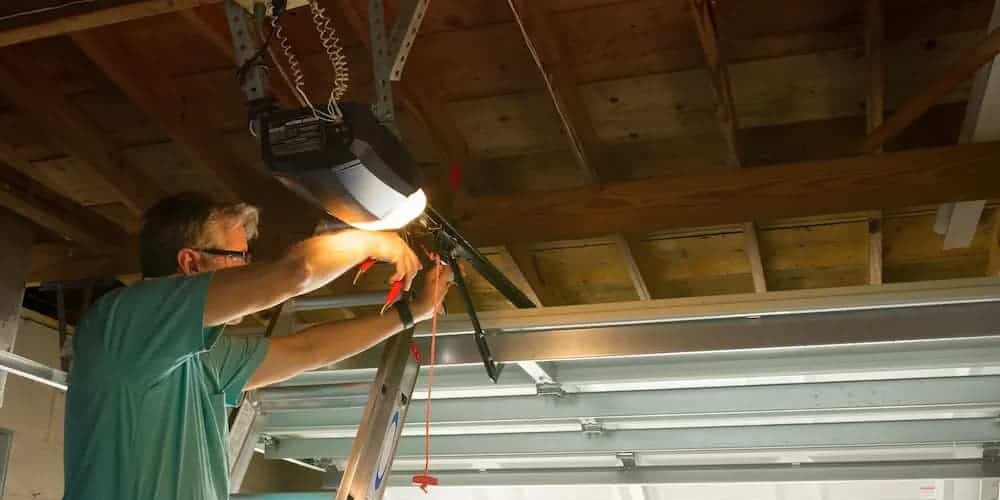
A new garage door is one of the easiest and most cost-effective upgrades a homeowner can make before selling. A modern, high-quality door improves curb appeal, strengthens security, and can significantly impact a buyer’s first impression. Since the garage door is one of the most visible features of a home’s exterior, an outdated or damaged door can be a red flag for buyers.
Today’s garage doors come in a variety of materials and styles, from traditional steel and wood to contemporary glass-paneled designs. Many new models also offer smart features such as Wi-Fi connectivity and built-in insulation, adding energy efficiency and convenience. When replacing a garage door, choosing one that complements the home’s overall aesthetic can make a significant difference in its marketability.
- Average cost: $4,000
- Average resale value: $3,500
- ROI/cost recouped: 88%
2. Entry Door Replacement
A new entry door can elevate your home’s appearance and improve security. The front door is the focal point of a home’s exterior, and an upgraded door can instantly enhance curb appeal. Buyers appreciate doors that offer a balance of aesthetics and durability.
Options include steel, fiberglass, and wood doors, each with its own benefits. Steel doors are the most cost-effective, offering security and energy efficiency. Fiberglass doors, particularly grand entrance styles, add sophistication and resist warping, making them a great long-term investment. Homeowners should also consider adding modern features like smart locks or sidelights to further enhance their door’s value.
Steel
A durable, secure, and cost-effective option, steel front doors often provide one of the best ROIs.
- Average cost: $2,500
- Average resale value: $2,000
- ROI/cost recouped: 80%
Fiberglass Grand Entrance Doors
These types of upscale doors add elegance and durability, making a serious style statement to potential buyers.
- Average cost: $4,500
- Average resale value: $3,500
- ROI/cost recouped: 78%
3. Manufactured Stone Veneer
Adding a manufactured stone veneer to your home’s exterior creates a luxurious, modern look while improving durability. This project typically involves applying stone panels to a portion of the home’s facade, giving it an upscale appearance. Stone veneer is a cost-effective way to mimic the look of natural stone without the high price tag.
This renovation is particularly beneficial for homes with dated brick or stucco exteriors, helping them stand out in the market. Buyers are drawn to homes with a sophisticated finish, and stone veneer offers a premium feel that enhances both curb appeal and resale value.
- Average cost: $11,000
- Average resale value: $9,500
- ROI/cost recouped: 86%
4. Minor Kitchen Remodel (Midrange)
A minor kitchen remodel focuses on cost-effective updates like replacing cabinet doors, updating countertops, and installing energy-efficient appliances. These upgrades make a home more attractive without the expense of a full-scale renovation.
Homebuyers often prioritize kitchens as one of the most important spaces in a home. Fresh paint, updated cabinet hardware, and modern lighting fixtures can refresh the look without a major overhaul. Energy-efficient appliances are also a strong selling point, reducing utility costs and adding to the home’s appeal. Homeowners should stick with neutral colors and functional layouts to ensure broad buyer interest.
- Average cost: $25,000
- Average resale value: $20,000
- ROI/cost recouped: 80%
5. Home Siding
New siding improves your home’s appearance and protects it from the elements. Siding replacement can dramatically transform a home’s look, making it appear newer and well-maintained.
Popular choices for new siding styles include fiber-cement and vinyl siding. Fiber-cement siding is favored for its durability and resistance to moisture and pests. Vinyl siding, on the other hand, offers a lower upfront cost while still improving a home’s overall aesthetic.
Fiber-cement siding
Fiber-cement siding is a long-lasting, durable option that resists pests and moisture.
- Average cost: $19,000
- Average resale value: $16,000
- ROI/cost recouped: 84%
Vinyl siding
For a budget-friendly alternative that still offers a refreshed look, vinyl siding can be a great choice.
- Average cost: $16,000
- Average resale value: $12,500
- ROI/cost recouped: 78%
6. Deck Additions
Adding a deck is one of the best ways to expand a home’s functional living space while improving its overall appeal. Outdoor spaces are becoming increasingly popular among homebuyers because they provide additional areas for entertaining, relaxing, and enjoying nature. A well-designed deck can enhance the aesthetic of a backyard while also boosting property value.
When it comes to decking materials, homeowners have two primary choices: real wood and composite decking.
Real wood deck
Wood decks offer a natural, classic look but require regular maintenance such as staining and sealing to prevent weather damage. It’s a high-quality option with timeless appeal.
- Average cost: $19,000
- Average resale value: $14,500
- ROI/cost recouped: 76%
Composite deck
Composite decks, on the other hand, are made from a combination of wood fibers and plastic, providing a low-maintenance alternative that resists rot and fading.
- Average cost: $22,000
- Average resale value: $16,500
- ROI/cost recouped: 75%
7. Bathroom Remodel (Midrange)
A bathroom remodel is a surefire way to enhance a home’s value while improving comfort and functionality. Buyers are drawn to homes with updated bathrooms that feel fresh, clean, and modern. Even a midrange remodel can make a significant impact by upgrading key fixtures and surfaces without a complete overhaul.
Typical midrange renovations include replacing outdated sinks, bathtubs, and toilets with water-efficient models, updating lighting and mirrors, and installing stylish new vanities. A fresh coat of paint and modern tile work can also give a bathroom a polished look. Homeowners should focus on neutral colors and quality materials to ensure broad buyer appeal.
- Average cost: $24,000
- Average resale value: $18,000
- ROI/cost recouped: 75%
8. HVAC Conversion
Upgrading an HVAC system can provide a strong return on investment, especially in regions with extreme temperatures where heating and cooling are essential. Homebuyers often prioritize energy-efficient systems that lower utility costs and enhance indoor comfort. Converting an outdated or inefficient HVAC system to a high-efficiency model can make a home more attractive and cost-effective in the long run.
There are several options for homeowners looking to upgrade their HVAC systems. Switching from an old furnace and air conditioning unit to a modern heat pump, for example, can improve efficiency and provide both heating and cooling in one system. Ductless mini-split systems are also gaining popularity as they offer zoned climate control and energy savings. Regardless of the system chosen, an updated HVAC unit reassures buyers that they won’t need to make costly upgrades soon after moving in.
- Average cost: $17,000
- Average resale value: $13,000
- ROI/cost recouped: 76%
Other Remodeling and Home Renovation Projects with a Good ROI
While major renovations can yield impressive returns, smaller improvements can also provide solid ROI and make a home more appealing to buyers. Below are some additional projects that can add value to a home without requiring a major time investment.
Window Replacement
Replacing old windows can improve a home’s energy efficiency, enhance its exterior appearance, and increase its resale value. Modern windows provide better insulation, reducing heating and cooling costs, which is a strong selling point for buyers.
Vinyl windows
Vinyl windows require little maintenance and come in various styles and colors to complement different home designs, and are a popular, cost-effective choice that offers durability and energy efficiency. They are a great option for homeowners looking for an affordable yet effective upgrade.
- Average cost: $20,000
- Average resale value: $15,000
- ROI/cost recouped: 75%
Wood windows
A higher-end option with timeless beauty that can add character to a home’s interior and exterior, wood windows offer a classic and sophisticated look, appealing to buyers who value aesthetics and craftsmanship. However, they require more maintenance than vinyl options, including periodic sealing or painting to prevent weather damage.
- Average cost: $24,000
- Average resale value: $17,000
- ROI/cost recouped: 71%
Roof Replacement (New Shingles)
A new roof reassures buyers about the home’s structural integrity and prevents potential issues like leaks or insulation problems. It also enhances curb appeal, making the property look well-maintained and move-in ready.
- Average cost: $30,000
- Average resale value: $22,000
- ROI/cost recouped: 73%
Hardwood Floors
Refinishing or installing hardwood floors adds warmth and sophistication to a home, making it more appealing to buyers. Hardwood flooring is durable, easy to maintain, and considered a premium feature in many markets.
- Average cost: $6,000
- Average resale value: $5,000
- ROI/cost recouped: 83%
How to Pay for Home Renovations
Home renovations can be a big financial investment, but there are many different options available to help homeowners manage the costs effectively:
- Savings – The most straightforward way to finance home renovations is by using personal savings. This avoids debt and interest costs but requires careful budgeting.
- Home Equity Loans & HELOCs – Homeowners with equity in their property can take out a loan or a home equity line of credit (HELOC) to fund renovations.
- Personal Loans – These can be a good option for smaller projects, though interest rates may be higher than home equity loans.
- Government Grants & Rebates – Some energy-efficient renovations qualify for government incentives, reducing upfront costs.
- Credit Cards – While not ideal for large projects, credit cards with low interest or promotional financing can help cover minor upgrades.
Choosing the right financing method depends on the project size, budget, and individual financial situation.
Major vs. Simple Home Renovations & ROI
When considering the best home renovations to increase value, it’s important to understand the key differences between major and simple renovations.
- Major Renovations: These include full kitchen remodels, bathroom overhauls, adding an extra room, or upgrading major systems like roofing or HVAC. While they require a significant investment, they often yield high returns when selling.
- Simple Renovations: These include repainting, refinishing floors, upgrading light fixtures, and modernizing cabinets. These lower-cost projects can still have a strong impact on home value and buyer appeal.
Before investing, homeowners should research local market trends to determine the best types of home improvement projects that will offer the best return on investment.
Avoiding Renovations that Decrease Home Value
Not all types of home improvement projects add value – some can actually decrease a home’s appeal or resale value. Common renovation mistakes include:
- Upgrades That are Too Personal – Unique or extreme designs may deter potential buyers.
- Eliminating Essential Spaces – Removing bedrooms or reducing storage can make a home less functional.
- DIY Gone Wrong – Poorly executed renovations can reduce a home’s perceived value.
- Overbuilding for the Neighborhood – High-end upgrades that don’t match the surrounding market can make it difficult to recoup costs.
Homeowners should focus on renovations that improve functionality and appeal to a broad range of buyers to maximize return on investment.
FAQs on Home Improvements That Add Value

Are home renovations tax deductible?
When planning home renovations, many homeowners wonder if they can benefit from tax deductions. Generally, most home renovations are not directly tax-deductible. However, certain improvements can qualify for tax benefits under specific circumstances.
For example, if renovations are made for medical purposes (such as installing ramps or widening doorways for accessibility), these may qualify as medical expense deductions. Additionally, energy-efficient upgrades, like solar panels or energy-efficient windows, may allow you to claim tax credits.
For homeowners who use part of their house as a home office, certain improvements related to that space may also be deductible. If you rent out part of your home, renovations in the rental area could qualify as tax-deductible business expenses.
It’s essential to differentiate between home repairs (which maintain current conditions) and home improvements (which add long-term value). The latter can increase your home’s cost basis, reducing capital gains tax when selling. If you’re wondering what home renovations are tax deductible, consulting a tax professional can provide clarity for your specific situation.
How much does a new kitchen increase house value?
A kitchen remodel is one of the most valuable home improvements a seller can make. On average, a mid-range kitchen renovation can increase home value by about 50-75% of the renovation cost. For instance, if you spend $30,000 on a kitchen remodel, your home’s value may increase by $15,000 to $22,500.
A modern, updated kitchen appeals to buyers, making it easier to sell your home at a higher price. Features like updated cabinetry, new countertops, and energy-efficient appliances can significantly boost the perceived value of your home. However, homeowners should be careful not to over-improve – keep in mind that choosing finishes and styles that fit the neighborhood’s market expectations is key.
How much does a bathroom remodel increase home value?
Like kitchen renovations, bathroom remodels offer a strong return on investment. On average, a mid-range bathroom remodel recoups 60-70% of the cost when selling the home. A minor remodel (such as replacing outdated fixtures, repainting, and upgrading lighting) can yield an even higher return.
Adding a bathroom or significantly upgrading an outdated one can make a home more attractive to buyers, particularly in competitive markets. Simple updates like modern vanities, improved lighting, and efficient plumbing fixtures can make a big difference without excessive spending. These changes are among the best things to do before selling your house.
What is the home renovation 30-percent rule?
The 30-percent rule is a general guideline suggesting that homeowners should avoid spending more than 30% of their home’s value on renovations. This rule ensures that the investment remains financially sound and provides a good return when selling.
For example, if a home is worth $300,000, the total budget for renovations should ideally stay within $90,000. Going over this amount could result in over-improving the property, meaning you may not recoup the investment when selling.
This rule is flexible depending on the home’s location, market conditions, and the type of renovation. High-impact areas like kitchens and bathrooms often justify a larger investment, while other upgrades should be carefully evaluated based on local market trends.
Partner with Our Trusted Team for Your Home Renovation Project
Choosing the right renovation projects can make a world of difference in your home’s marketability and final selling price. By focusing on high-ROI improvements, homeowners can maximize their returns while appealing to modern buyers.
At A1 Garage Door Service, our team can help you choose the best upgrades to boost your home’s value and ensure a smooth, profitable sale. If you’re considering home renovations before selling, contact us for expert guidance and services today!
Image Credits: Alan Budman – Michael O’Keene – Lindsay P7