




Torsion vs. Extension Springs: Which is Better?
When it comes to garage door systems, few components work harder than the springs. They’re responsible for counterbalancing the heavy weight of the door, making it possible to lift with just a remote or even a single hand. But not all springs are created equal, and the torsion vs. extension springs debate has been going on for decades. If you’re wondering which type is better for your home, this guide will walk you through the differences, pros and cons, costs, and factors to consider.
What Is the Difference Between Torsion and Extension Springs?
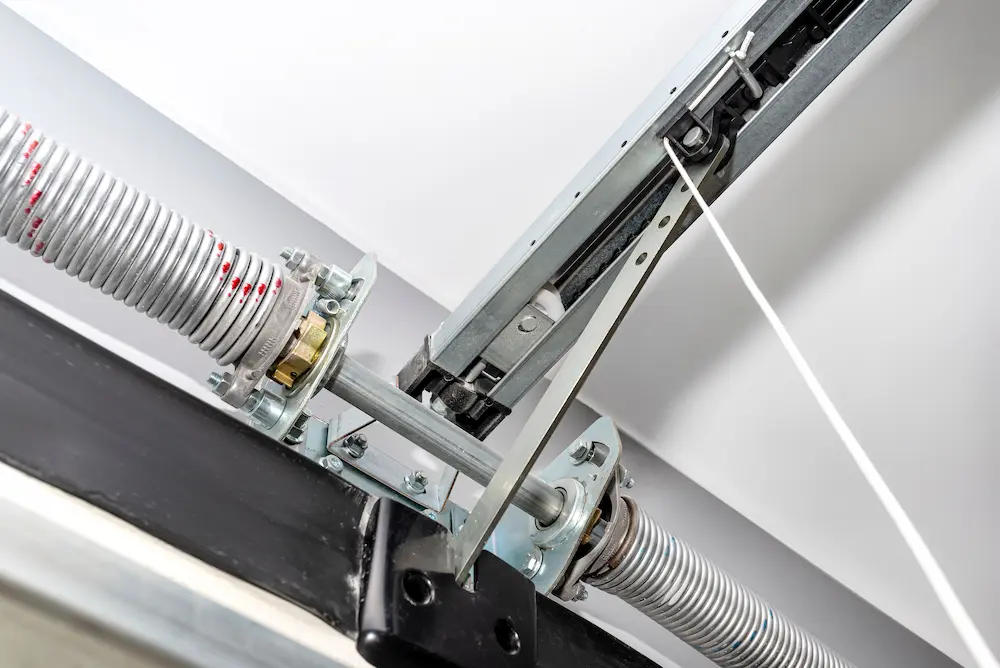
At first glance, springs might all look the same, but the difference between torsion and extension garage door springs is significant. Torsion springs sit above the garage door and twist (or torque) to create the lifting force—extension springs, on the other hand, stretch and contract on either side of the door tracks.
In practice, this means torsion springs deliver smoother, more controlled movement, while extension springs use stored energy in a more forceful, sometimes jerky way. Both systems are widely used, but their performance, durability, and safety vary quite a bit.
Torsion Garage Door Springs Explained
Torsion springs are mounted horizontally above the garage door opening. When the door closes, the springs twist tighter, storing energy. When the door opens, that energy is released gradually, helping lift the door with steady force.
You’ll most often see torsion springs in modern garage doors, particularly in heavier doors made of steel, wood, or insulated materials. Because they apply torque across a shaft, the force is distributed more evenly, reducing wear and tear on the entire system.
Torsion Springs: Pros and Cons
Pros
- Longer lifespan: Typically last 15,000–20,000 cycles, meaning fewer replacements over the life of your garage door.
- Smoother, quieter operation: They provide even tension across the door, reducing noise and vibration.
- Better for heavy doors: Handle larger, heavier, and insulated doors with ease.
- Increased safety: While they can still break, torsion springs are less likely to snap and whip around dangerously compared to extension springs.
- Compatibility with modern systems: Torsion springs pair well with today’s smart openers and insulated doors, giving homeowners more upgrade options.
Cons
- Higher upfront cost: Installation and replacement can be more expensive.
- Professional service needed: Torsion springs are wound tightly and carry a lot of torque, making DIY replacement dangerous.
- Requires space above the door: Not ideal for garages with limited headroom.
- Specialized parts: Not as universally available in hardware stores as extension springs, which can make sourcing slower if you’re DIY-minded.
Extension Garage Door Springs Explained
Extension springs are mounted on either side of the garage door tracks. They stretch when the door is closed and contract when the door opens, releasing stored energy to help lift the door.
This design has been around for decades and is still common in older homes or budget-friendly garage door systems. Because extension springs don’t require a shaft above the door, they’re often used in garages with limited headroom.
Extension Springs: Pros and Cons
Pros
- Lower cost: Less expensive to purchase and replace compared to torsion springs.
- Widely available: Easy to find in most hardware stores.
- Simple design: Easier for homeowners to visually identify wear and tear.
- Space-saving: Works well in garages with low headroom, since they’re mounted on the sides.
Cons
- Shorter lifespan: Typically 10,000 cycles or less, so you may need to replace them more often.
- Less safe: When they break, they can snap violently unless safety cables are installed.
- Noisier: Tend to create more jerking, bouncing, and squeaking during operation.
- Less suited for heavy doors: Can struggle with oversized or insulated doors.
Cost Comparison of Torsion vs Extension Springs
Price is always a consideration, but longevity, performance, and unexpected expenses should also be considered.
On average:
- Torsion springs cost $200–$400 installed, while the parts alone run $60–$150 each. Professional installation is almost always required.
- Extension springs are cheaper upfront, typically $150–$250 installed, with parts costing $30–$70 each.
But cycle life matters. If you compare cost per cycle, torsion springs often work out cheaper in the long run. For example, a torsion spring rated at 20,000 cycles may last twice as long as a 10,000-cycle extension spring, saving you the cost of multiple replacements.
Hidden costs also add up. A failed extension spring can damage cables, pulleys, or even your garage door panels if it breaks mid-operation. Torsion springs, while pricier upfront, are less likely to cause collateral damage. For homeowners who want reliability and fewer service calls, torsion is often the better long-term investment.
Conclusion: Torsion vs. Extension Springs for Your Home
What are the best garage door springs for your home? The answer depends on your priorities.
- If you want longevity, safety, and smoother operation, torsion springs are the better choice. They’re more durable, require fewer replacements, and reduce wear on your garage door system.
- If you’re on a tight budget or have limited ceiling space, extension springs can still get the job done, though with more maintenance and potential safety concerns.
When deciding between extension vs. torsion springs, think about:
- Climate: Extreme cold or humidity can shorten the spring life. Torsion springs handle stress more evenly, making them better for tough conditions.
- Usage frequency: Daily drivers with multiple vehicles benefit from torsion springs’ longer cycle life.
- Safety priorities: Families with kids or pets often value torsion springs’ lower break risk.
- Long-term vs. short-term cost: Spending more upfront for torsion springs can mean fewer headaches and replacements down the road.
Ultimately, choosing between torsion and extension springs isn’t just about cost; it’s about balancing performance, safety, and the specific needs of your garage setup. A professional garage door technician can evaluate your door’s weight, usage frequency, and space constraints to recommend the right option.
FAQs: Torsion and Extension Garage Door Springs
How long do garage door springs last?
Torsion springs typically last 15,000–20,000 cycles (about 7–10 years with regular use). Extension springs last closer to 10,000 cycles (5–7 years).
How do I know which type I have?
Torsion springs sit above the door, running horizontally on a metal shaft. Extension springs are mounted vertically or at an angle along the door’s tracks.
Can I replace springs myself?
While it’s technically possible, DIY garage door spring replacement is not recommended. Springs hold tremendous tension and can cause serious injury. A professional has the right tools and training for safe replacement.
What happens if a spring breaks?
Your door may slam shut, refuse to open, or feel extremely heavy. If a spring snaps, stop using the door immediately and call for professional help.
When should I replace springs?
If your door feels heavier, opens unevenly, or you see gaps in the spring coils, it’s time for replacement. Waiting too long can risk further damage.
Are torsion springs worth the higher cost?
For most homeowners, yes. They last longer, operate more smoothly, and reduce the chance of sudden failures. While extension springs can be fine for light-use doors, torsion springs are the more reliable long-term choice.
Need New Springs? Contact A1 Garage Experts for Garage Door Springs That Last!
No matter where you land in the torsion vs. extension debate, one thing is clear: garage door springs aren’t a DIY project. They’re under extreme tension and can be dangerous to handle without the right training.
That’s where A1 Garage Door Service comes in. Our expert technicians install both torsion and extension springs safely, correctly, and with lasting results. We use high-quality materials designed for performance and durability, so you can rest easy knowing your door will open smoothly every time.
From spring replacement to full system upgrades, we’re here to help you get the most out of your garage door. Call us today to schedule your spring service and experience the difference of working with true garage door professionals.
Image Credit: Kinek00 / Shutterstock